
Choosing Your Next Style: The New Kitchen Cabinet Trends
Kitchen cabinets influence far more than storage. They establish a major part of the room's visual character, affect how efficiently the space functions, and help define the relationship between work areas, appliances, and gathering spaces. As homeowners approach kitchen remodeling projects, cabinet styles continue to evolve in response to changing preferences for personalization, organization, and streamlined design. Understanding current cabinet trends can make it easier to identify options that complement both the home's architecture and the way the kitchen is used.
A new kitchen cabinet design can also serve as a foundation for coordinating countertops, backsplashes, flooring, hardware, and lighting. Modern cabinetry is available in an extensive range of colors, materials, profiles, and configurations, giving homeowners more opportunities to create distinctive spaces. Some trends emphasize clean lines and minimal ornamentation, while others bring warmth through natural wood and detailed finishes. Exploring these approaches can help homeowners narrow their choices before beginning a professional cabinetry project.
Embracing Warm Natural Wood
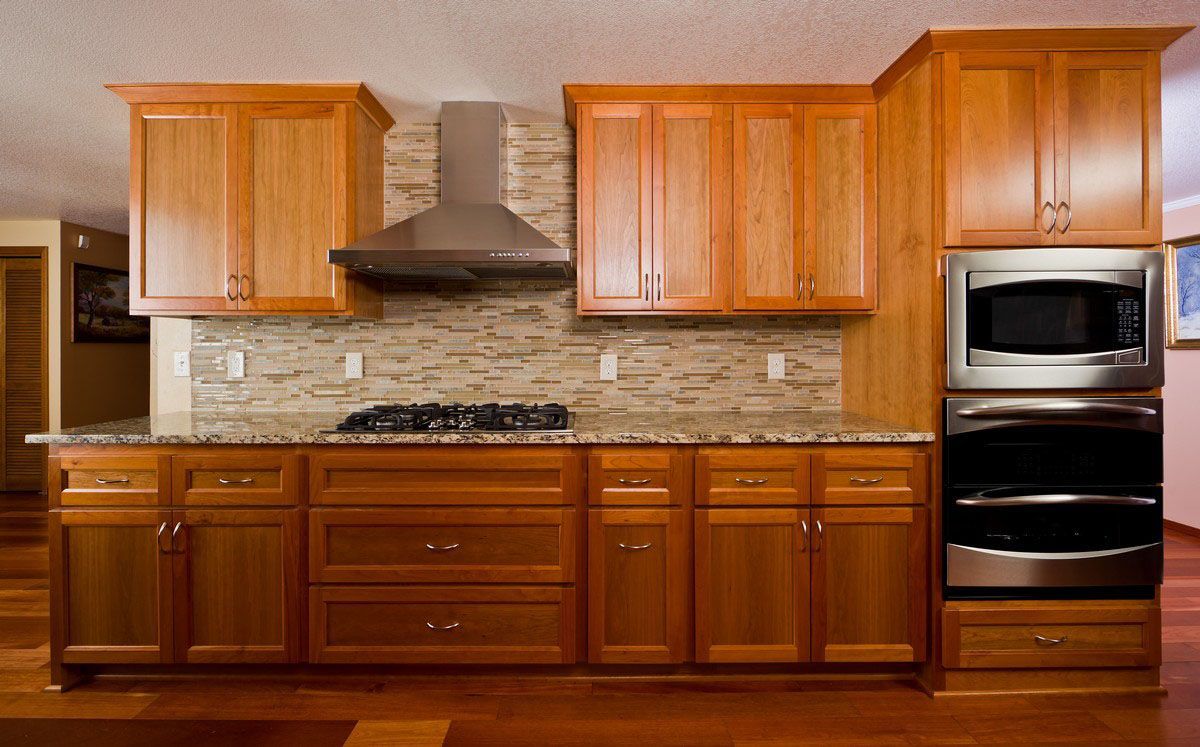
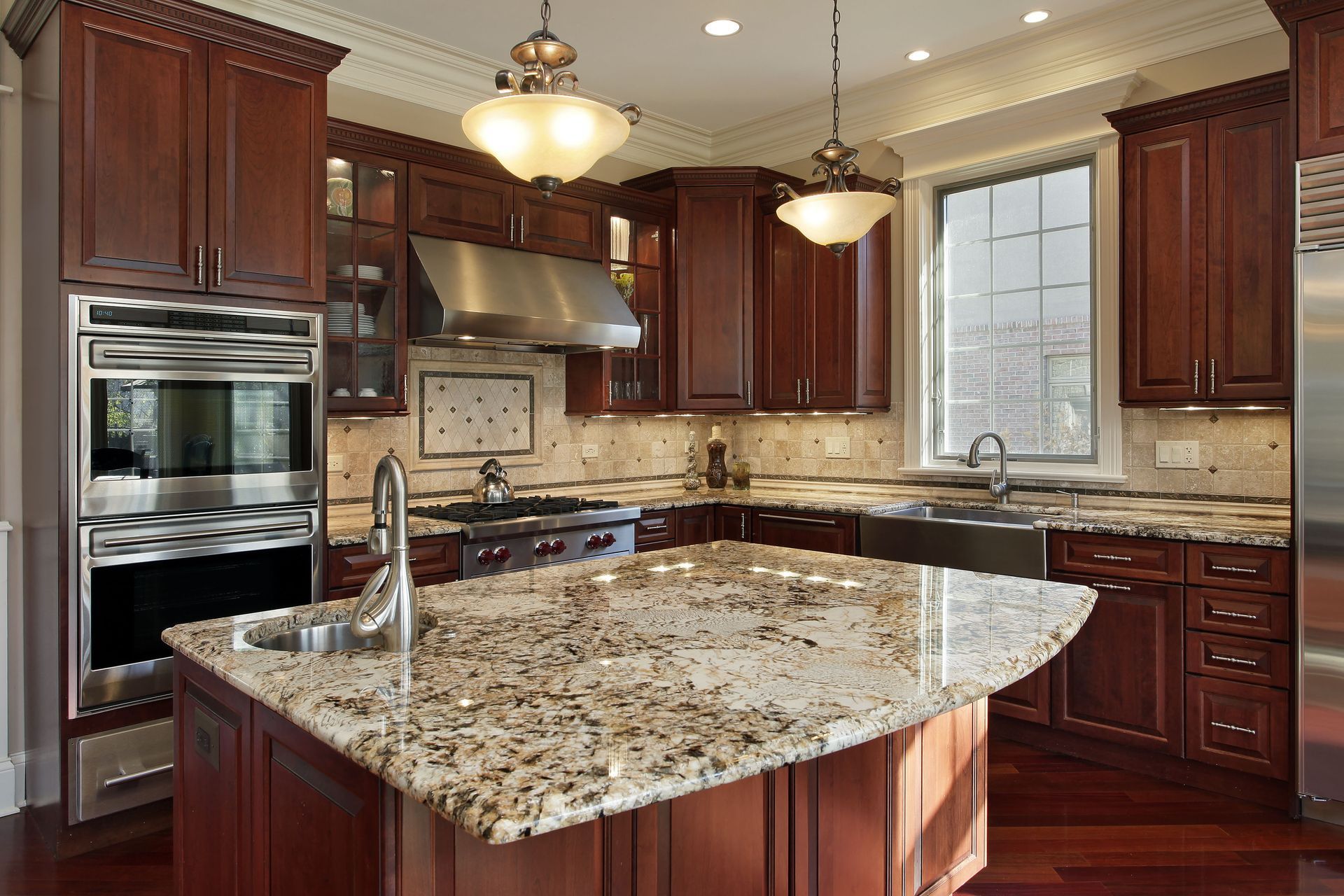
Natural wood cabinetry continues to appeal to homeowners seeking warmth and visual texture. Wood grain can introduce organic character into a kitchen while complementing contemporary appliances and modern architectural elements. Different species, stains, and finishes create distinct appearances, ranging from subtle and understated to richly textured. This versatility allows wood cabinetry to work within a variety of design directions.
A new kitchen cabinet featuring natural wood can provide a balance between current design preferences and enduring visual appeal. Light woods can create an airy atmosphere, while deeper finishes can add richness and contrast. Wood can also be combined with painted cabinetry to create visual separation between islands, perimeter cabinets, or other areas. This flexibility makes natural wood a useful option for personalized kitchen designs.
Exploring Clean Minimalist Profiles
Streamlined cabinetry remains an important direction in contemporary kitchen design. Flat-panel doors and simple profiles create a clean appearance that can make the kitchen feel organized and visually open. Minimalist designs can also provide a neutral foundation for more distinctive countertops, lighting fixtures, hardware, or backsplashes. The result is a space where individual design elements can work together without excessive visual competition.
A new kitchen cabinet with a minimalist profile can also support a range of color choices. Neutral shades can reinforce a calm, understated aesthetic, while darker or more expressive colors can make cabinetry a focal point. The simplicity of the door style allows homeowners to adjust other elements around it. This can make minimalist cabinetry adaptable as design preferences change over time.
Incorporating Bold Cabinet Colors
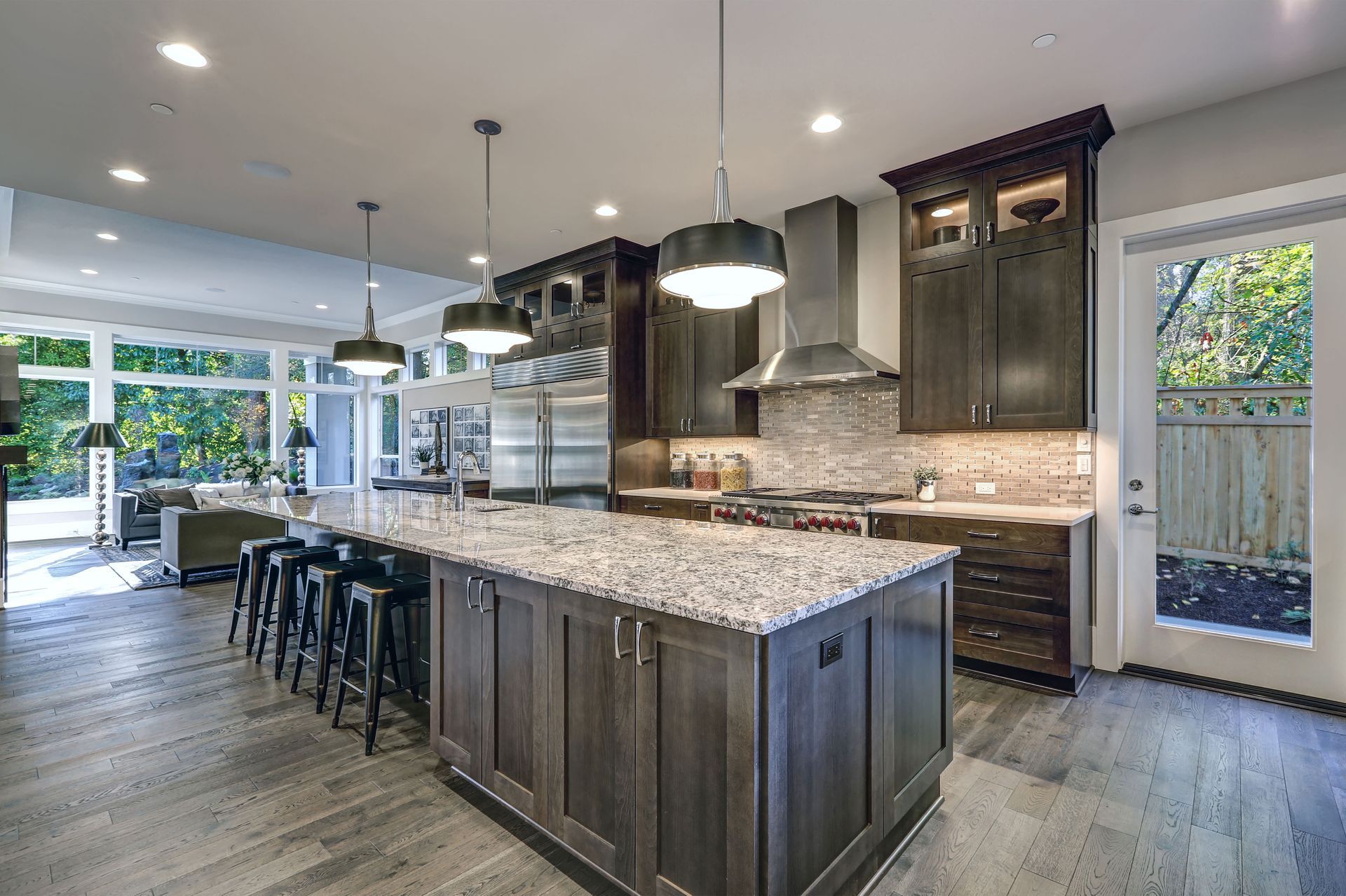
While neutral cabinetry remains popular, bolder colors are becoming increasingly visible in kitchen design. Deep greens, blues, charcoal tones, and other saturated shades can create a dramatic focal point without requiring elaborate ornamentation. Color can be particularly effective on islands or selected cabinet sections where it provides contrast against lighter surrounding surfaces. Choosing a distinctive cabinet color can give the kitchen a more personalized identity.
A new kitchen cabinet in a bold finish can be coordinated with complementary materials to create a cohesive room. For example, subdued countertops and natural wood accents can balance a darker cabinet color. Professional designers can consider the size of the kitchen, available natural light, and surrounding finishes when developing a color scheme. This helps ensure that bold cabinetry enhances the room rather than making it feel visually crowded.
Selecting Two-Tone Cabinet Designs
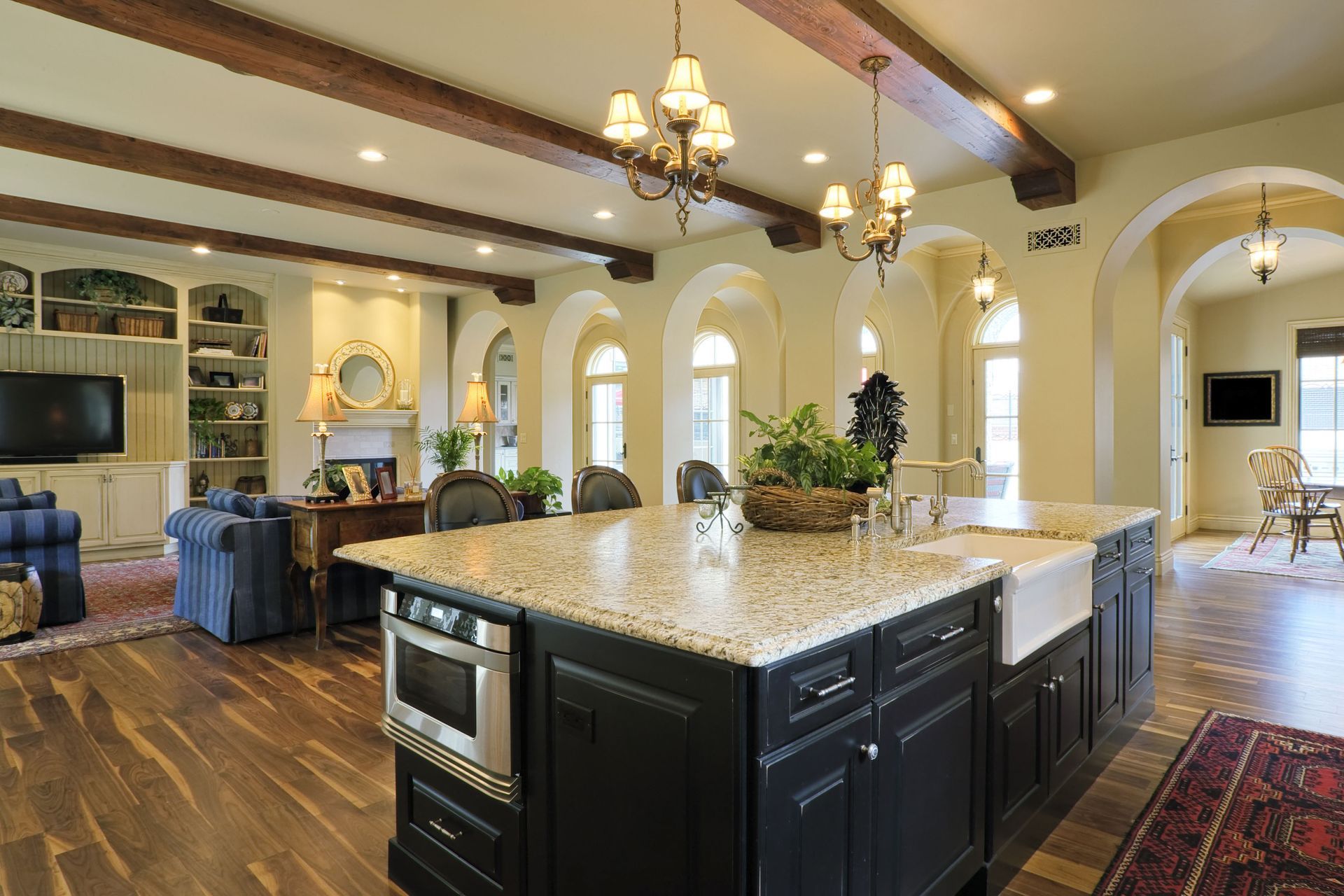
Two-tone cabinetry offers another way to introduce contrast and dimension into a kitchen. Homeowners may choose one finish for perimeter cabinets and another for the island, creating a natural visual distinction between different areas. Contrasting colors can also highlight architectural features or establish a hierarchy within the room. This approach provides flexibility without requiring every cabinet to have a completely different appearance.
A new kitchen cabinet design can incorporate two complementary finishes while maintaining a consistent overall style. Combining painted cabinetry with wood, for instance, can add warmth while preserving a contemporary appearance. The relationship between colors, textures, and hardware becomes particularly important in a two-tone kitchen. Thoughtful coordination can make the contrasting finishes feel intentional and balanced.
Expanding Custom Cabinet Options
Customization is increasingly important for homeowners who want cabinetry designed around the specific dimensions and functions of their kitchens. Stock cabinets may limit configuration choices, particularly in rooms with unusual layouts, challenging corners, or specialized storage requirements. Custom cabinetry provides greater flexibility for accommodating individual preferences. This can make it easier to create a kitchen that uses available space efficiently.
According to 360 Research Reports, about 45% of U.S. homeowners completing major kitchen remodels select fully custom cabinetry instead of stock or ready-to-assemble options. This preference highlights the demand for cabinetry that can be tailored to individual spaces and design goals. A new kitchen cabinet can be configured around specific dimensions, storage requirements, and aesthetic preferences when custom options are selected. Professional cabinetry planning can help translate those needs into a cohesive design.
Improving Interior Cabinet Organization
Cabinet trends are not limited to exterior appearance. Interior organization has become an important part of modern kitchen design as homeowners look for more efficient ways to store cookware, food, utensils, and small appliances. Features such as specialized drawers, pullout storage, adjustable shelving, and dedicated compartments can make frequently used items easier to access. Better organization can also reduce visual clutter throughout the kitchen.
A new kitchen cabinet can be designed with interior features that correspond to the homeowner's routines. Deep drawers may accommodate cookware, while specialized storage can create designated spaces for spices, baking supplies, or other kitchen essentials. Cabinet configurations can also be planned around appliance placement and work zones. Combining attractive exterior finishes with functional interiors creates cabinetry that supports both style and everyday use.
Integrating Concealed Appliance Designs
Many contemporary kitchens incorporate appliances in ways that minimize visual interruption. Panel-ready refrigerators, dishwashers, and other appliances can be concealed behind cabinetry fronts to create a more continuous appearance. This approach can be particularly effective in open-concept homes where the kitchen is visible from living and dining areas. Concealed appliances allow cabinetry to become the dominant visual element.
A new kitchen cabinet can be planned specifically to accommodate integrated or panel-ready appliances. Proper measurements and coordination are essential because cabinetry must align with the dimensions and operating requirements of the equipment. Professional design services can account for these relationships during the planning process. This creates a more cohesive appearance while maintaining the practical functionality of the kitchen.
Adding Statement Cabinet Hardware
Cabinet hardware can significantly influence the character of a kitchen. Long pulls, slim handles, knobs, and other hardware styles can complement different cabinet profiles and finishes. Metallic finishes can add contrast, while understated hardware can reinforce a minimalist design. Because hardware is relatively small compared with the cabinetry itself, it can provide an opportunity to introduce subtle visual detail.
A
new kitchen cabinet installation can be paired with hardware selected to complement the overall design. The size, placement, finish, and shape of each piece can affect how the cabinetry looks and functions. Designers can consider these details alongside door profiles and cabinet colors rather than treating hardware as an afterthought. Coordinated hardware can help complete the visual direction of the kitchen.
At Luxe Cabinetry + Design, we help homeowners create kitchen cabinetry that reflects their style while supporting how they use their space. Our team can guide you through cabinet styles, finishes, configurations, storage solutions, and other design considerations to develop a cohesive remodeling plan. We focus on combining thoughtful design with functional cabinetry that complements the rest of your kitchen. Contact Luxe Cabinetry + Design today to explore your options and begin planning your next kitchen transformation.


Share On: