
How to Coordinate Kitchen Cabinets With Your Appliances
Creating a cohesive kitchen design requires more than choosing attractive cabinets and appliances. Their colors, finishes, materials, and dimensions should work together while supporting everyday cooking and cleaning. Careful planning can help homeowners create a kitchen that feels balanced, functions efficiently, and reflects their personal style. From selecting cabinet materials to deciding whether appliances should blend in or stand out, each choice contributes to the final result. Understanding these considerations makes it easier to plan custom cabinetry that complements the appliances and fits the needs of the household.
Understanding Your Kitchen's Style and Layout
Evaluating the Existing Layout
Before selecting cabinets or appliances, evaluate the kitchen's dimensions, traffic patterns, and existing features. Consider how people move between the sink, refrigerator, and cooking area. Cabinet placement should provide convenient access to essential items without blocking walkways, appliance doors, or work surfaces. Measuring the available space also helps determine whether standard cabinet dimensions will work or whether a more tailored approach is necessary.
Architectural details can influence these decisions. Windows, support beams, unusual corners, and sloped ceilings may affect where cabinets and appliances can fit. Planning custom cabinetry around these features helps create a unified design while making practical use of the available space. Accurate measurements and a clear layout plan can prevent costly adjustments during installation.
Choosing a Consistent Design Direction
Identify the style you want to achieve before choosing individual finishes. Modern kitchens often feature flat-panel doors, clean lines, and understated hardware, while traditional spaces may incorporate decorative details and warmer wood tones. Transitional designs combine elements of both approaches for a balanced appearance.
Appliances should complement this direction rather than compete with it. Stainless steel works well with many cabinet styles, while panel-ready appliances can blend into the surrounding cabinets. Homeowners can also introduce contrast through darker appliances, distinctive hardware, or carefully selected accent colors. The goal is to establish a consistent visual theme without making every surface identical.
Selecting Cabinet Materials and Finishes
Comparing Wood and Engineered Materials
Wood cabinets offer natural grain patterns and a wide range of stain options. Oak, maple, and cherry each have distinctive appearances that can complement different appliance finishes. Engineered materials, including medium-density fiberboard and plywood, provide additional options for cabinet construction and finishing. The right custom cabinetry materials depend on the desired appearance, construction requirements, budget, and expected use.
Custom cabinetry allows homeowners to coordinate cabinet dimensions, door styles, and finishes with specific appliances and the overall kitchen layout. According to IBIS World, as of 2026, the custom cabinetry industry in the United States employs approximately 105,700 dedicated cabinetmakers. This skilled workforce supports the specialized work involved in producing cabinetry tailored to individual design requirements.
Considering Laminate, Thermofoil, and Glass
Laminate cabinets offer a broad selection of colors and patterns, along with surfaces that are generally easy to clean. Thermofoil provides another option for homeowners seeking a smooth, consistent finish. Both can complement stainless steel, black, or other appliance finishes, depending on the selected color and texture. Material performance varies, so homeowners should consider heat exposure, moisture, and manufacturer care recommendations before making a final decision.
Glass-front cabinet doors can introduce visual variety and make a kitchen feel more open. Clear, frosted, and textured glass each creates a different effect. Pairing glass doors with solid cabinet fronts prevents the design from feeling overly busy, while interior lighting can highlight displayed dishes and glassware. These details should complement nearby appliances rather than distract from them.
Coordinating Cabinet Colors With Lighting
Cabinet colors can look different depending on the amount and type of light in a kitchen. White, cream, gray, and natural wood tones often provide flexible backdrops for various appliance finishes. Darker colors can create contrast against lighter countertops and stainless steel surfaces, while carefully chosen accent colors introduce personality.
Test cabinet samples under both natural and artificial lighting before committing to a finish. Under-cabinet task lighting can improve visibility during food preparation, while ambient lighting illuminates the entire room. Considering these light sources early helps ensure that cabinet colors and appliance surfaces work together throughout the day.
Coordinating Appliance Finishes With Kitchen Cabinets
Matching Finishes or Creating Contrast
Matching finishes creates a streamlined appearance, particularly in kitchens with a minimalist design. Light cabinets paired with similarly toned appliances can make the room feel bright, while coordinated metallic finishes create a consistent look. However, matching every element is not essential for a successful design.
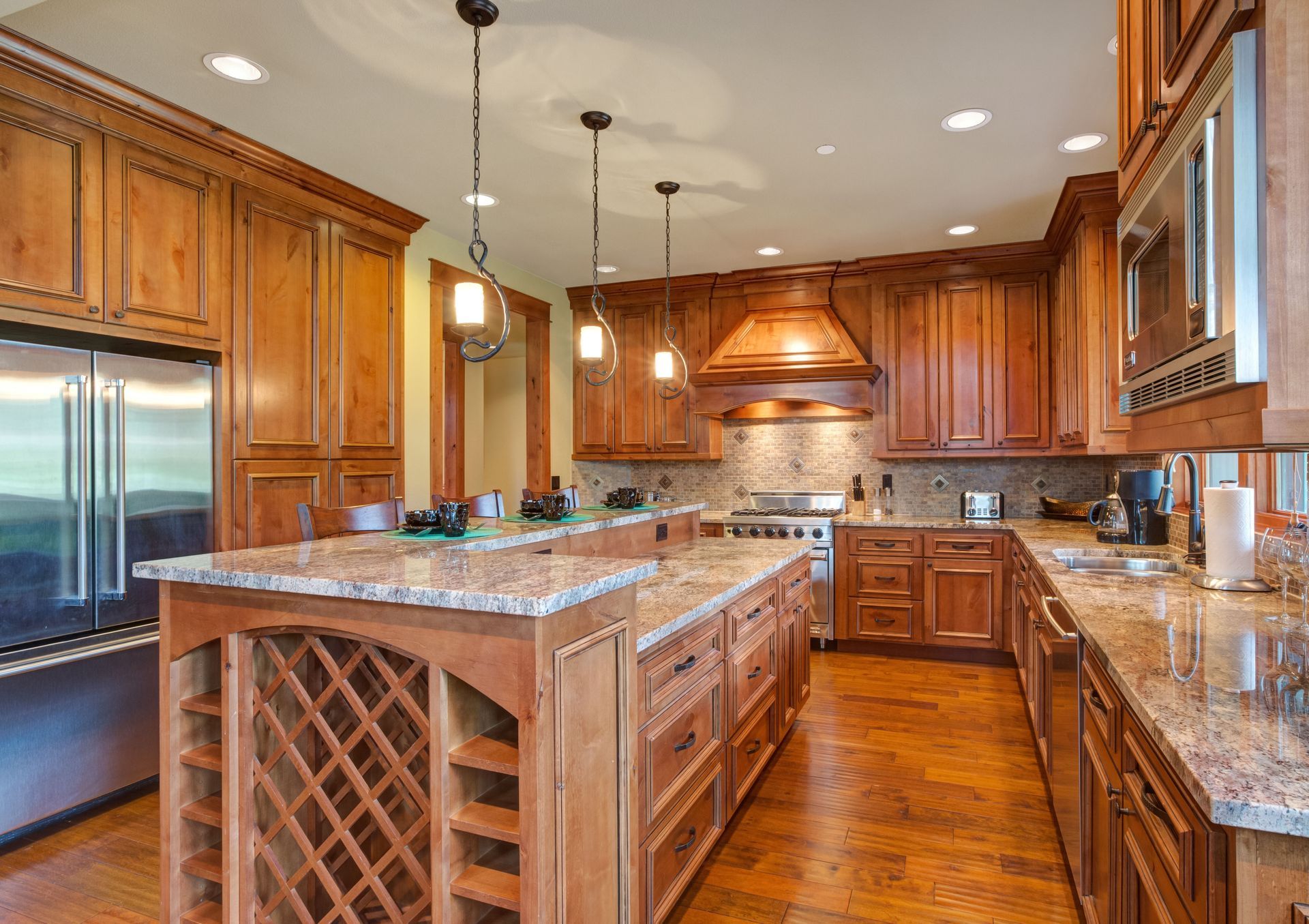
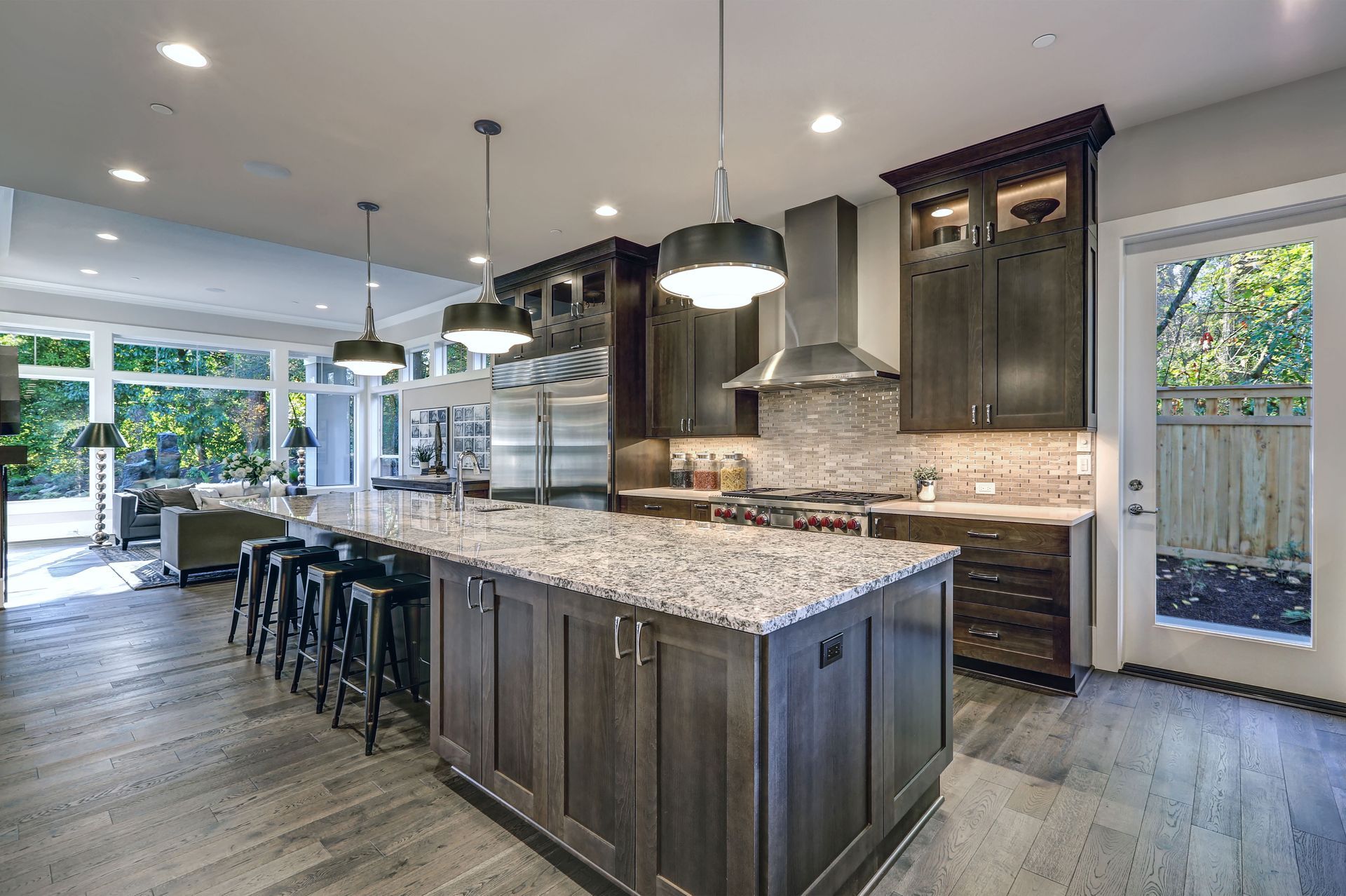
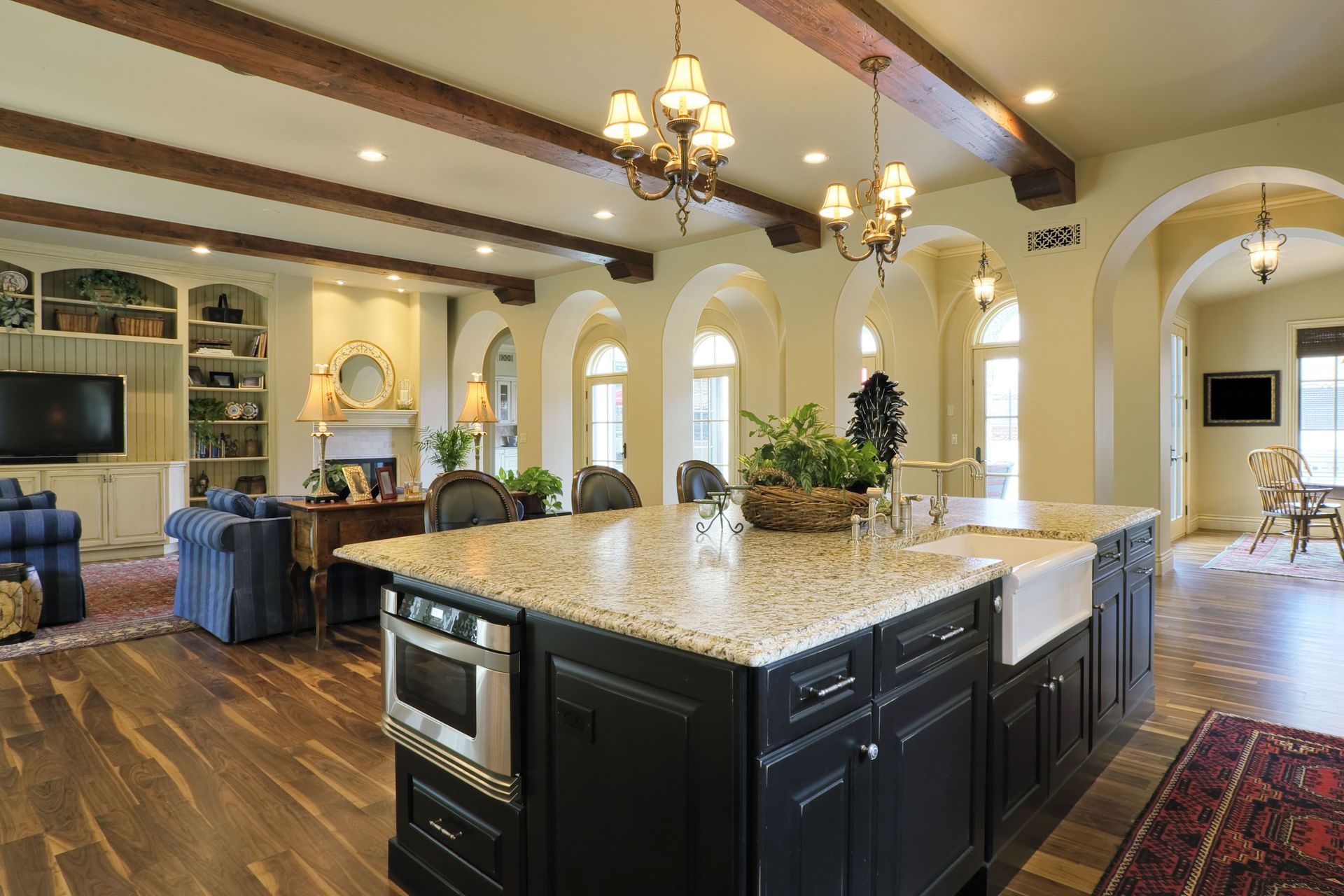
Contrasting finishes can add depth and help individual features stand out. Dark cabinets paired with stainless steel appliances create a noticeable distinction, while colorful appliances can become focal points against neutral cabinetry. Repeat selected colors or materials elsewhere in the room to keep the contrast intentional. Custom cabinetry can help establish the right proportions and visual balance when combining different finishes.
Choosing Stainless Steel or Colorful Appliances
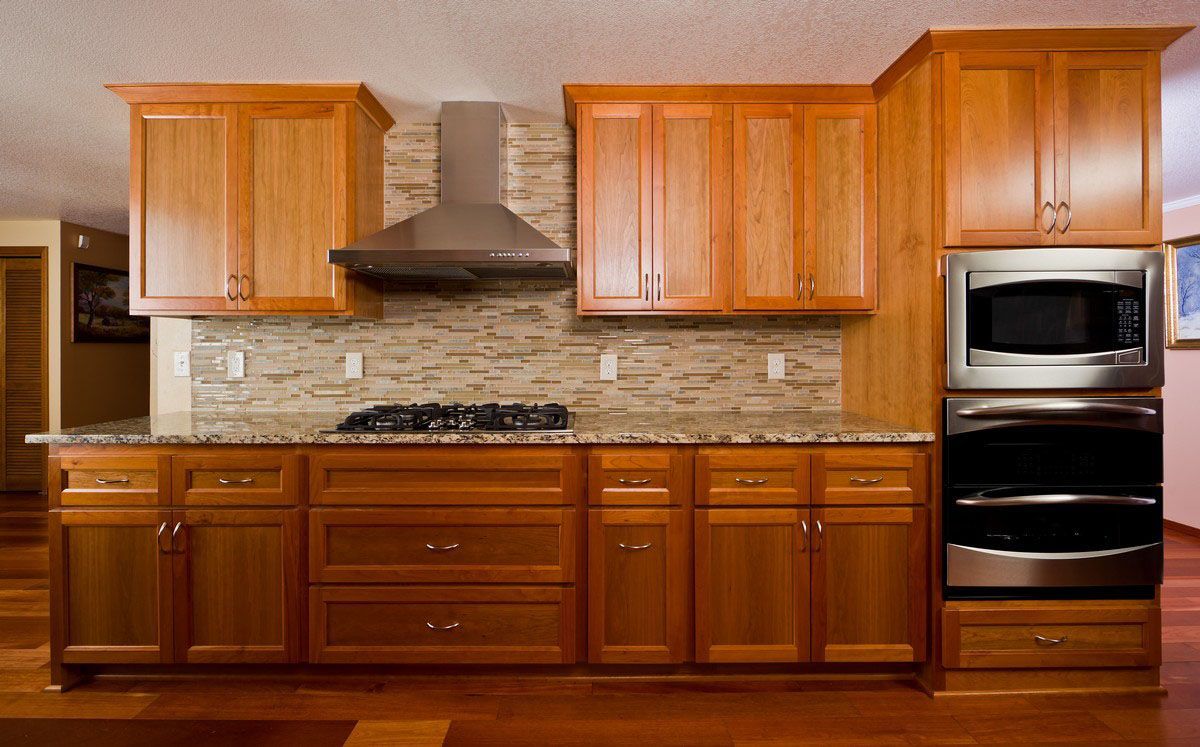
Stainless steel remains a versatile option because it complements many wood tones, painted finishes, and cabinet styles. Its metallic appearance works particularly well in contemporary kitchens but can also provide contrast in more traditional spaces.
Colorful appliances offer an opportunity to introduce a distinctive design element. A colored range or refrigerator can bring character to a kitchen with understated cabinets. Before choosing a bold appliance finish, consider how it will relate to the cabinet color, hardware, lighting, and other visible surfaces. Samples and finish comparisons can help homeowners assess the combination before purchasing major appliances.
Integrating Appliances Into Cabinet Designs
Panel-ready refrigerators and dishwashers can be fitted with cabinet fronts to create a more continuous appearance. Built-in ovens and other integrated appliances also allow designers to coordinate surrounding cabinets with the equipment's dimensions and installation requirements.
These custom cabinetry solutions require careful planning to ensure appliances fit properly and remain accessible. Appliance specifications, ventilation needs, door clearances, electrical connections, and access for future repairs should be considered before cabinet construction begins. Leaving enough space for doors and drawers to open fully helps prevent everyday frustrations. Professional planning can ensure that the finished design balances appearance, safety, and functionality.
Balancing Surface Textures and Hardware
Texture also affects how cabinets and appliances look together. Smooth painted cabinets paired with brushed stainless steel can create a subtle contrast, while natural wood grain can soften the appearance of metallic surfaces. Mixing too many competing textures may make the kitchen feel disjointed, so select a few finishes that complement one another.
Cabinet hardware provides another way to connect different elements. Brushed metal pulls can echo stainless steel appliances, while black hardware can create definition against lighter cabinet doors. Handle size and placement should also support comfortable everyday use. These smaller details help unite the kitchen without requiring every finish to match exactly.
Planning a Kitchen That Works as a Whole
Prioritizing Workflow and Accessibility
A coordinated kitchen should be as practical as it is attractive. Ensure that refrigerator doors do not interfere with nearby cabinets, that dishwasher doors leave sufficient room for movement, and that frequently used cookware is stored near the cooking area. Drawers, pullout shelves, and appropriately positioned cabinets can make daily tasks easier.
Think about how cabinet storage and appliances work together during food preparation, cooking, and cleanup. A well-planned arrangement reduces unnecessary movement and keeps essential items within reach. These functional details deserve attention before finalizing decorative choices.
Bringing the Design Together
Successful coordination begins with a clear plan for layout, materials, colors, lighting, and appliance placement. Compare samples, confirm measurements, and review manufacturer specifications before making final selections. Considering these elements together helps avoid mismatched finishes, cramped clearances, and unnecessary redesigns.
For homeowners planning a kitchen upgrade, Luxe Cabinetry + Design can help bring cabinet selections and overall design goals together. Contact the team to discuss a kitchen layout that complements your appliances, supports your daily routine, and creates a cohesive finished space.


Share On: