
How Custom Countertops Are Shaping the Future of U.S. Homes
Home design is evolving as homeowners look for ways to make their living spaces more functional, attractive, and reflective of their personal tastes. Kitchens and bathrooms are increasingly treated as extensions of a home's overall character, with materials, colors, and finishes carefully selected to create a cohesive look. Countertops play a particularly important role in this transformation because they combine everyday practicality with significant visual impact.
Rather than settling for standardized surfaces, many homeowners are exploring options that accommodate their specific needs, preferred aesthetics, and available space. Custom countertops offer opportunities to personalize everything from material and color to edge profiles and dimensions. Whether incorporated into a contemporary kitchen, a traditional bathroom, or a multifunctional island, these surfaces help homeowners balance individual expression with lasting utility.
According to Grand View Research, the U.S. countertops market is projected to grow at a compound annual growth rate of 5.5% from 2025 through 2030. This anticipated expansion reflects the continuing importance of countertops in residential design and renovation. As material choices and fabrication technologies advance, personalized surfaces are positioned to remain an influential feature of American homes.
What Are Custom Countertops?
Custom countertops are surfaces designed and fabricated to meet the particular dimensions, functional requirements, and aesthetic preferences of a home. Unlike standardized options that may require compromises in sizing or appearance, customized surfaces can accommodate unusual layouts, specific design concepts, and distinctive architectural features.
Homeowners can personalize numerous elements, including countertop thickness, edge treatments, surface finishes, colors, patterns, and cutouts for sinks or cooktops. These details allow a countertop to complement existing cabinetry and flooring while supporting the way a household uses its space.
Material selection provides another opportunity for personalization. Natural stone, engineered quartz, granite, marble, butcher block, solid surface materials, and concrete each offer different visual characteristics and performance benefits. Some homeowners prioritize the natural variations found in stone, while others prefer the consistent appearance of engineered materials.
Why Are Custom Countertops Gaining Popularity?
Several factors are contributing to the growing interest in personalized countertop solutions, including changing design preferences, improvements in fabrication technology, and greater attention to everyday functionality.
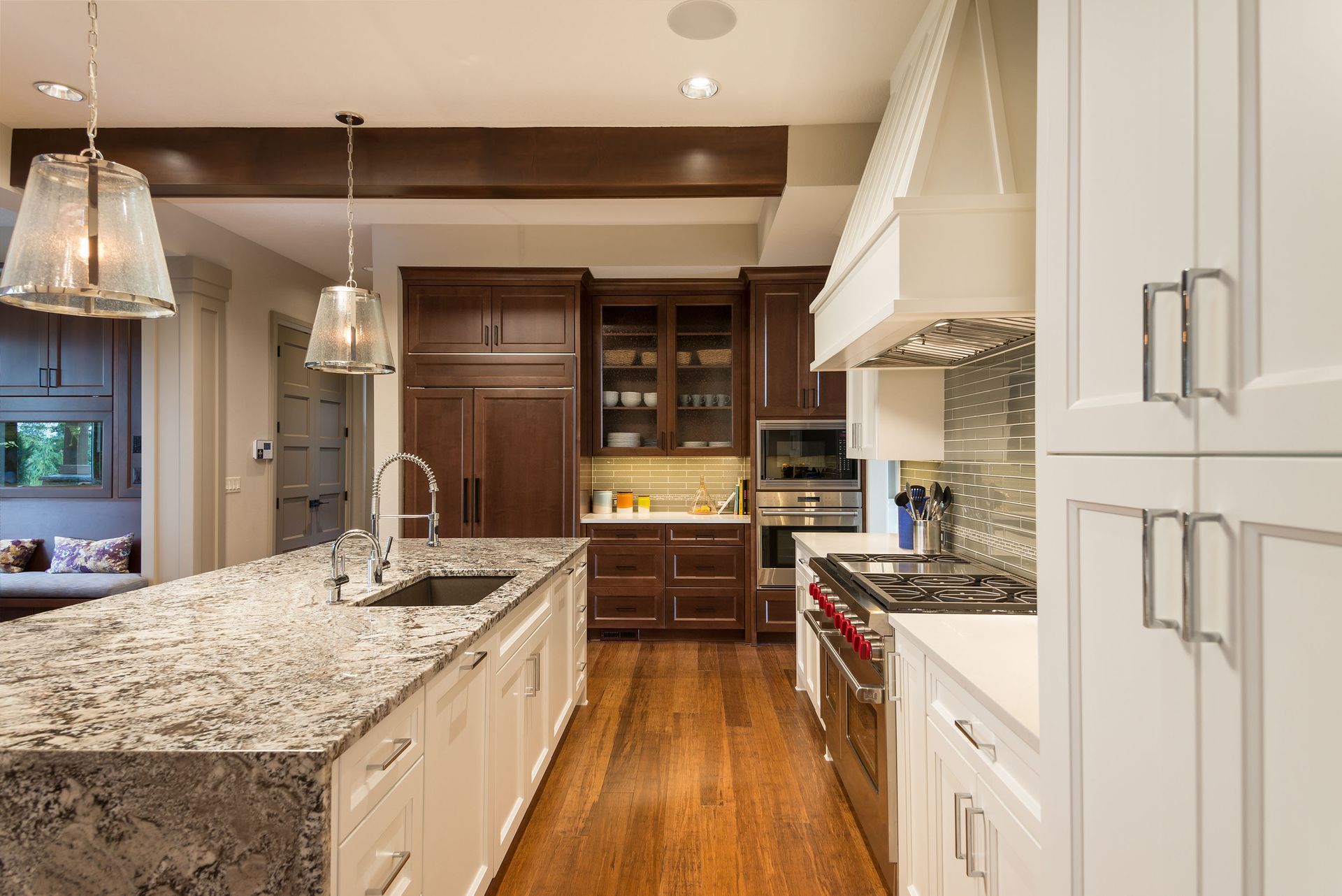
One important influence is the desire for more individualized interiors. Homeowners increasingly combine colors, textures, and materials to create spaces that feel distinctive rather than interchangeable. A dramatic stone island, a warm wood preparation surface, or a subtle quartz vanity can establish a room's character without requiring a complete redesign.
Open-concept layouts have also increased the importance of countertop selection. In many modern homes, the kitchen is visible from dining and living areas, making islands and worktops prominent elements of the overall interior. Carefully selected surfaces can connect different design elements and provide additional space for cooking, entertaining, and working.
Technology has expanded the available possibilities as well. Digital measurement systems, computer-aided design, and precision cutting equipment help fabricators produce accurate shapes and accommodate more complicated layouts. These advances can support customized edges, integrated features, and installations that would be difficult to achieve with standard products.
Practical considerations matter, too. Families may want durable, low-maintenance surfaces, while enthusiastic cooks might prioritize heat resistance, workspace, and easy cleanup. Custom countertops allow these requirements to influence the design from the beginning, helping homeowners avoid choices that look appealing but prove inconvenient over time.
How Do Custom Countertops Affect Home Value?
Countertops can influence how prospective buyers perceive a kitchen or bathroom, particularly when these spaces appear outdated or poorly maintained. Because surfaces occupy substantial visual space and receive frequent use, their condition and appearance can contribute to a home's overall appeal during resale.
Well-chosen
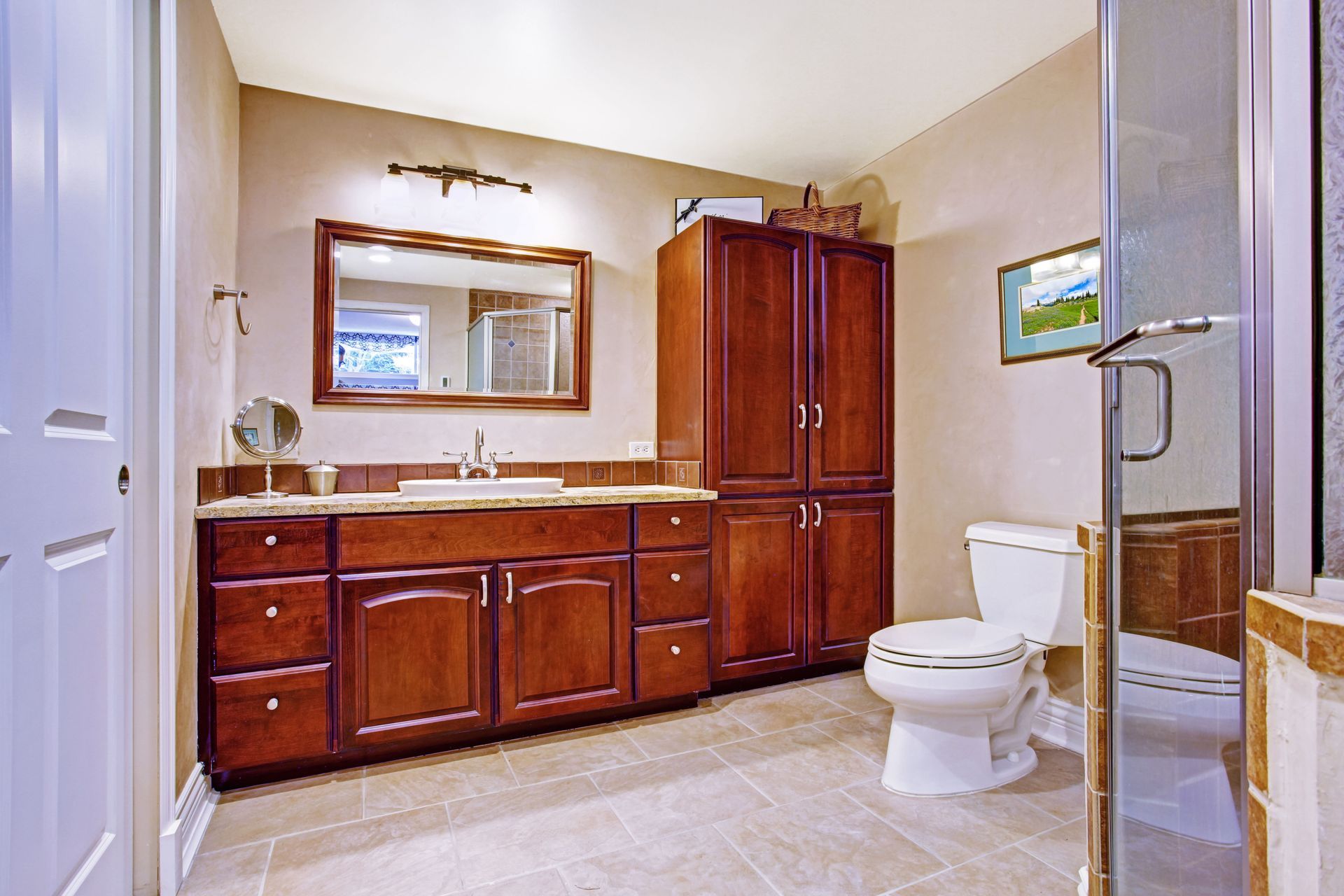
custom countertops may help a property stand out by creating a polished, cohesive interior. Neutral colors, durable materials, and designs that complement the surrounding cabinetry can appeal to buyers who want an attractive home without immediately planning extensive renovations. Features such as a spacious kitchen island or a thoughtfully designed bathroom vanity can also improve everyday usability.
However, homeowners should distinguish between improving marketability and guaranteeing a specific financial return. Countertop upgrades do not automatically increase a home's resale value by an amount equal to their installation cost. The outcome depends on local market conditions, the property's existing condition, the materials selected, and buyers' preferences.
Real estate professionals commonly emphasize consistency and broad appeal when recommending renovation projects before a sale. An elaborate surface might suit a homeowner's tastes but limit interest among buyers who prefer simpler finishes. Conversely, replacing worn or visibly damaged countertops can make a dated room feel better maintained.
What Materials Are Commonly Used for Custom Countertops?
Material choice affects a countertop's appearance, maintenance requirements, durability, and cost. Understanding these differences helps homeowners select surfaces suited to their budgets and daily routines.
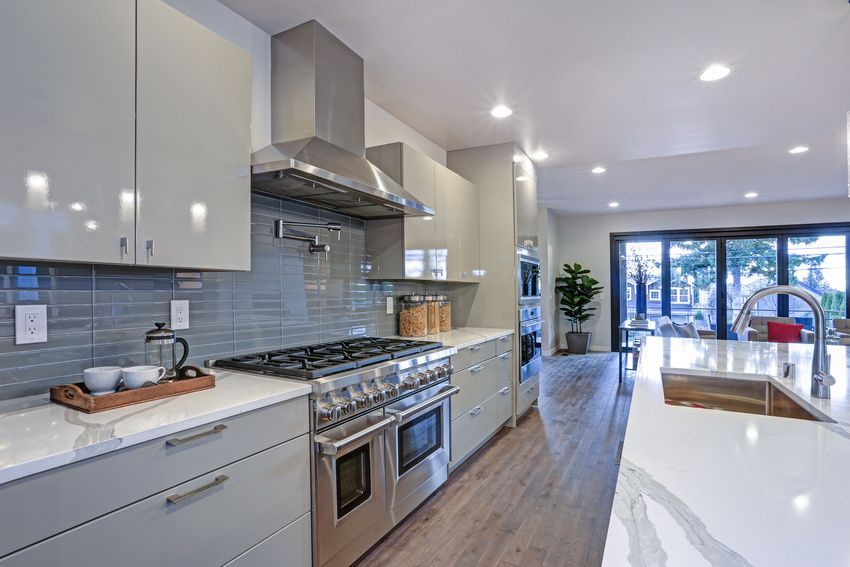
Quartz is a popular option because engineered slabs offer consistent patterns, numerous colors, and a nonporous surface that generally does not require sealing. However, quartz can be damaged by excessive heat, so trivets are recommended. Its resin content also means it should not be treated like natural stone.
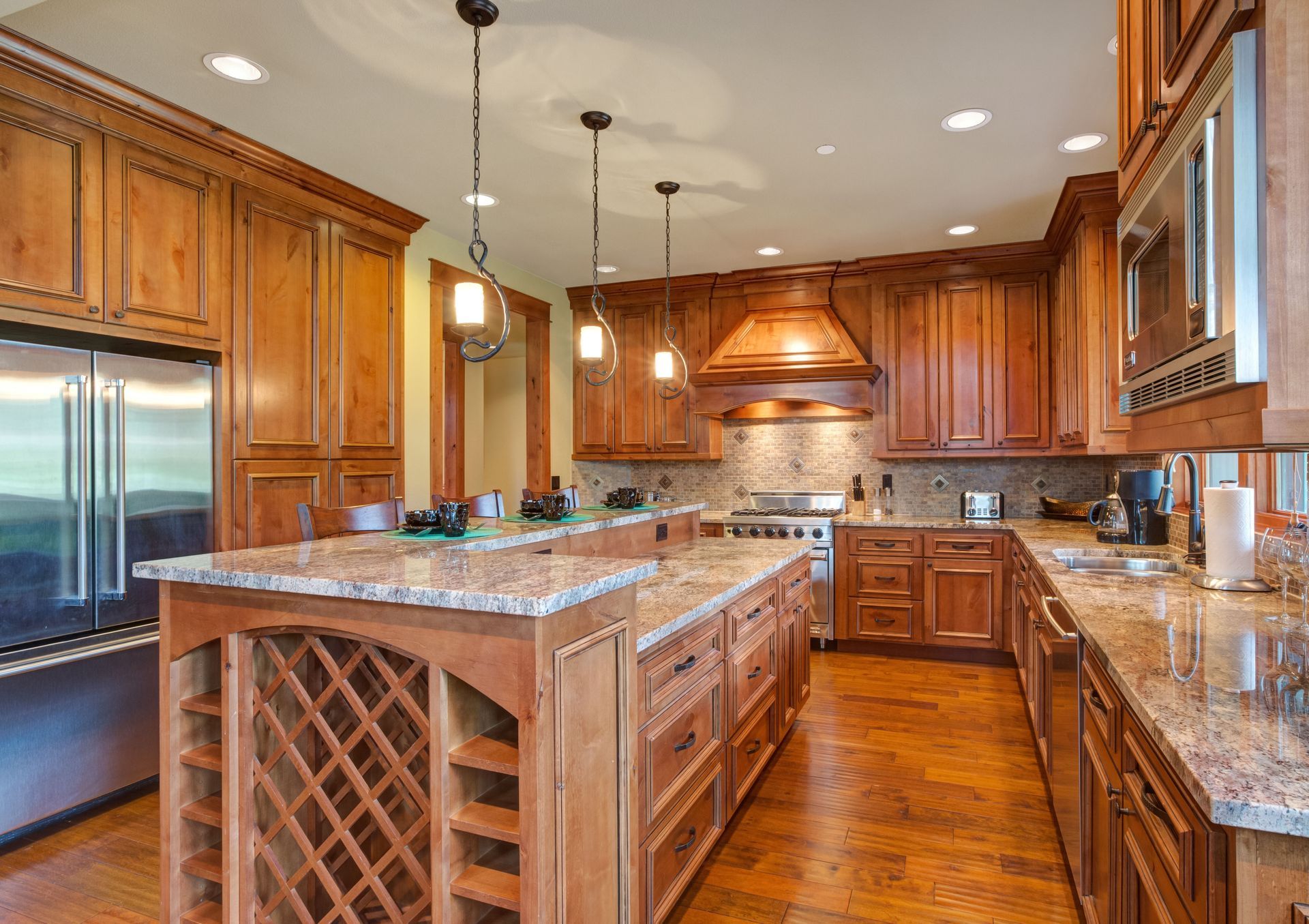
Granite appeals to homeowners who appreciate natural patterns and variation. It is durable and offers good heat resistance, although sealing may be necessary depending on the particular stone and its finish. Each slab has a distinct appearance, making selection an important part of the design process.
Marble provides distinctive veining and a timeless appearance, especially in traditional or upscale interiors. Its disadvantages include susceptibility to scratching, staining, and etching from acidic substances. Homeowners who choose marble should understand its maintenance requirements before installation.
Butcher block introduces warmth and natural texture, making it suitable for farmhouse, rustic, and contemporary kitchens. Wood can be repaired or refinished, but it requires appropriate maintenance and protection against moisture. Concrete offers considerable design flexibility, including customized shapes and finishes, though it can crack, stain, or require sealing.
How to Choose the Right Custom Countertops for Your Home?
Selecting the right countertop begins with understanding how the space will be used. A busy family kitchen may require a durable, easy-to-clean surface, while a bathroom vanity might place greater emphasis on moisture resistance and appearance. Establishing these priorities early makes it easier to narrow the available options.
Budget is another essential consideration. Homeowners should account for more than the price of the material itself. Fabrication, installation, sink cutouts, edge treatments, backsplash work, and removal of existing surfaces can all affect the final cost. Requesting detailed estimates helps prevent unexpected expenses.
Color and pattern should complement the surrounding finishes. Designers often recommend considering cabinetry, flooring, lighting, and wall colors together rather than choosing a countertop in isolation. Samples viewed under the home's actual lighting conditions can reveal differences that might not be apparent in a showroom.
Maintenance deserves equal attention. Before committing to a material, homeowners should understand its cleaning requirements, resistance to common household substances, and susceptibility to scratches or heat. A beautiful surface is less satisfying if maintaining it becomes an ongoing inconvenience.
Countertops are becoming increasingly important to how Americans design, use, and personalize their homes. Advances in fabrication technology, a wider selection of materials, and demand for distinctive interiors are creating more opportunities to tailor these surfaces to individual needs.
Custom countertops can deliver meaningful benefits when their design balances appearance, durability, maintenance, and cost. Although no upgrade guarantees a particular return on investment, carefully selected materials and professional installation can improve a room's functionality and overall appeal. If you're looking for new counters, reach out to Luxe Cabinetry + Design today!

Share On: