
6 Things You Probably Didn't Know About Custom Countertops
Custom countertops are a staple of modern home design, offering both functional and aesthetic benefits. Despite their popularity, there are many lesser-known facts about these surfaces that are worth exploring. This article examines several important aspects that can help homeowners better understand the role countertops play in kitchen and bathroom design.
According to House Beautiful, minor kitchen remodels, which often include updating countertops and cabinets, offer an ROI of 70-80%, making them one of the most cost-effective ways to increase home value. Exploring the materials, history, costs, and design considerations involved with custom countertops can help homeowners approach renovation planning more confidently. Understanding these elements also supports better long-term design decisions.
1. Countertop Materials Have Changed Significantly Over Time
Choose Early Countertop Materials
In the early days, countertops were quite basic and often composed of materials like wood and stone. Stone was preferred for its durability and ease of maintenance, especially in kitchens where hygiene was important. Wood, on the other hand, provided a warmer aesthetic and was commonly used in non-kitchen areas.
These materials, while functional, offered limited customization as they were crafted largely by hand. Over time, improvements in fabrication and manufacturing techniques expanded the possibilities for creating more tailored surfaces. As a result, custom countertops gradually became more accessible for residential spaces.
Explore Design Techniques
As technology evolved, so did the techniques for designing countertops. In the mid-twentieth century, laminate surfaces became popular due to their affordability and variety of color options. These innovations allowed homeowners to experiment with different styles and patterns at a reduced cost.
The introduction of improved cutting equipment and fabrication methods also helped manufacturers produce more consistent results. This shift gradually transformed countertops from strictly functional surfaces into design features that contribute to the overall style of a space.
Improve Material Technology
Overall, technology has played a significant role in the development of custom countertops. Engineered stone, such as quartz, became popular for its durability and consistent appearance. This material combines natural quartz with binding resins to create a strong and visually appealing surface.
Alongside quartz, natural stone options like granite and marble remain widely used because of their durability and distinctive natural patterns. These developments have expanded the range of options available to homeowners planning kitchen or bathroom updates.
2. Some Countertop Materials Are More Durable Than Others
Install Granite Countertops
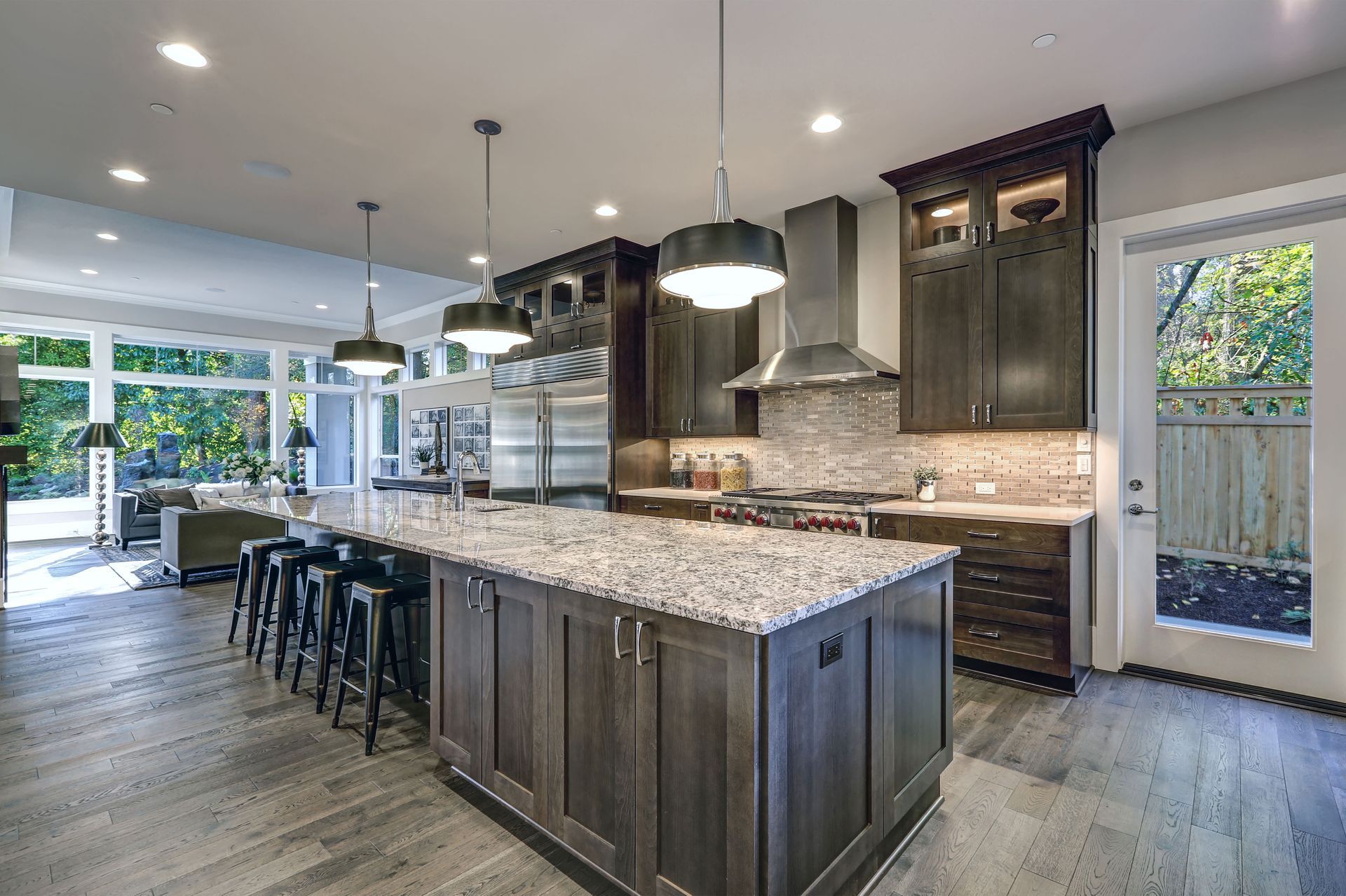
All in all, granite remains one of the most widely chosen options for kitchens and bathrooms due to its durability and natural appearance. Formed from natural stone, granite surfaces are known for their resistance to heat and scratches. These characteristics make them practical for high-use areas such as kitchens.
Select Quartz Countertops
These countertops are created by combining natural quartz with resins and pigments. This process produces a non-porous surface that resists staining and requires minimal maintenance. Because of these qualities, quartz surfaces have become a common option in modern kitchens and bathrooms.
Quartz is also available in a wide range of colors and patterns, including designs that resemble natural stone. Its consistent appearance and durability make it appealing to homeowners seeking a balance between practicality and visual appeal.
Use Marble Countertops
These countertops are valued for their elegant appearance and distinctive veining. Often associated with upscale interior design, marble adds a refined element to kitchens and bathrooms. The natural variation found in marble slabs contributes to its unique character.
Although marble typically requires more maintenance than some other materials, many homeowners appreciate the timeless aesthetic it brings to a space. With proper care, marble countertops can remain a visually striking feature for many years.
3. Many Countertops Can Last for Decades
Understand Material Durability
Overall, durability plays an important role in selecting countertop materials for residential spaces. Surfaces made from strong materials such as granite or quartz can remain functional for many years without needing replacement. This long lifespan helps reduce the need for frequent renovations.
Consider Lifecycle Factors
The lifecycle of a countertop includes production, installation, use, and eventual replacement. Materials that resist damage and wear tend to perform well across these stages of use. Their longevity can help reduce the need for repairs or replacements.
Considering the expected lifespan of materials can support practical decision-making during renovation planning. Evaluating durability alongside design preferences allows homeowners to select surfaces that meet both functional and visual goals.
4. Countertop Costs Can Vary Widely
Compare Material Costs
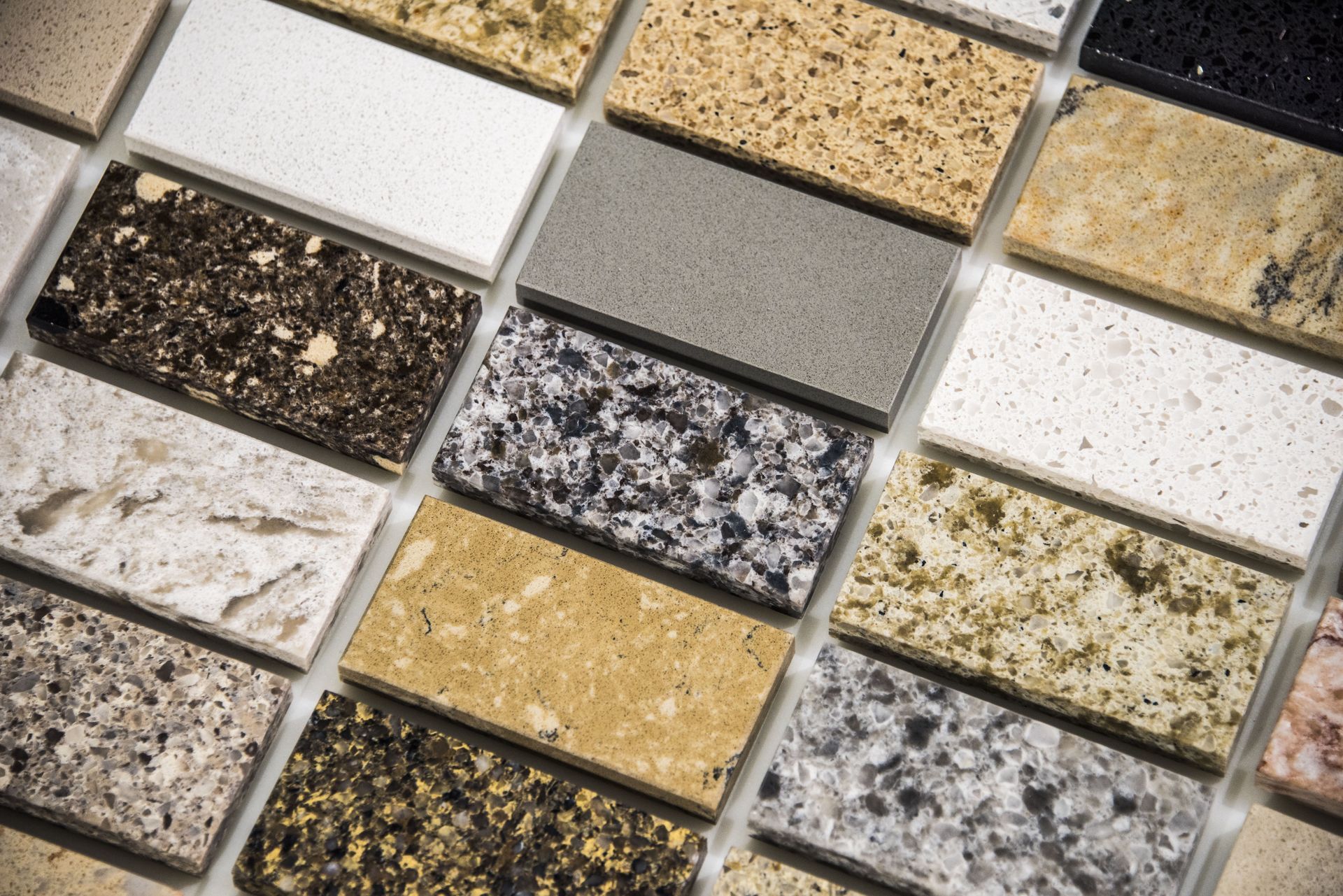
Comparing countertop materials can help homeowners determine which option fits their budget and design goals. Granite and marble offer natural beauty with distinctive variations. Quartz provides a consistent surface that is widely valued for durability.
Evaluating durability, maintenance needs, and visual characteristics can help homeowners choose materials that support long-term value. These considerations are important when planning custom countertops for kitchens or bathrooms.
Plan Custom Design Budgets
Planning a countertop project often involves balancing design preferences with financial considerations. Homeowners may prioritize certain elements, such as material selection or surface size, depending on the scope of the renovation. Careful planning can help maintain a clear focus on the most important features.
5. Small Design Details Can Change the Entire Look
Choose Popular Edge Styles
All in all, edge styles can significantly influence the appearance of custom countertops. Straight edges offer a clean, modern look that complements many contemporary kitchen designs. Rounded or beveled edges can create a softer appearance and reduce sharp corners in busy areas.
The selected edge style can enhance the visual impact of the countertop while supporting the overall design of the room. Even small edge details can affect how a surface integrates with surrounding cabinetry and fixtures.
Explore Color and Finish Options
Color and finish choices allow homeowners to tailor countertops to individual design preferences. Some homeowners prefer neutral tones that coordinate easily with cabinetry and other interior elements. Others may select darker finishes or bold patterns to create contrast.
Coordinate Countertops With Storage and Layout
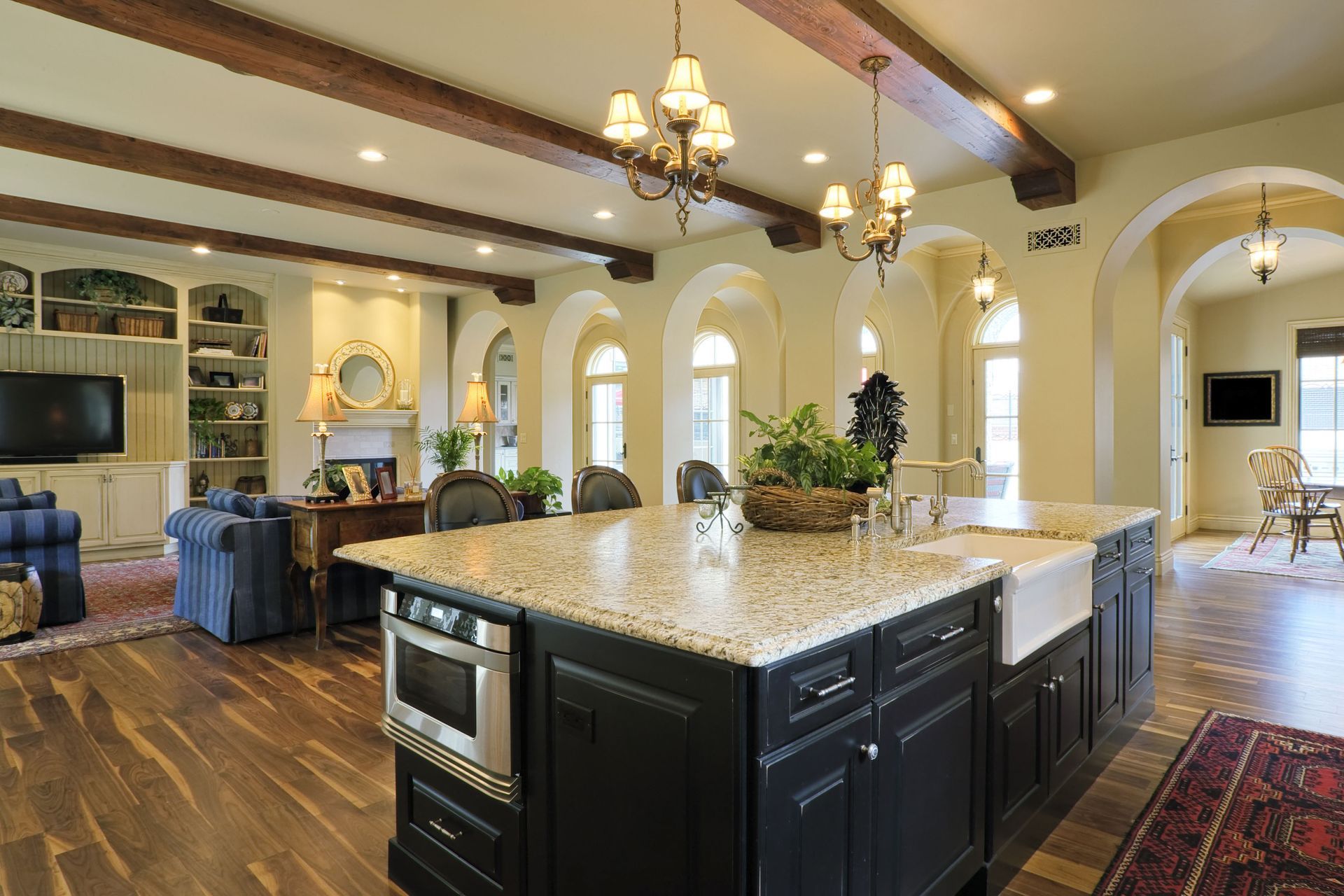
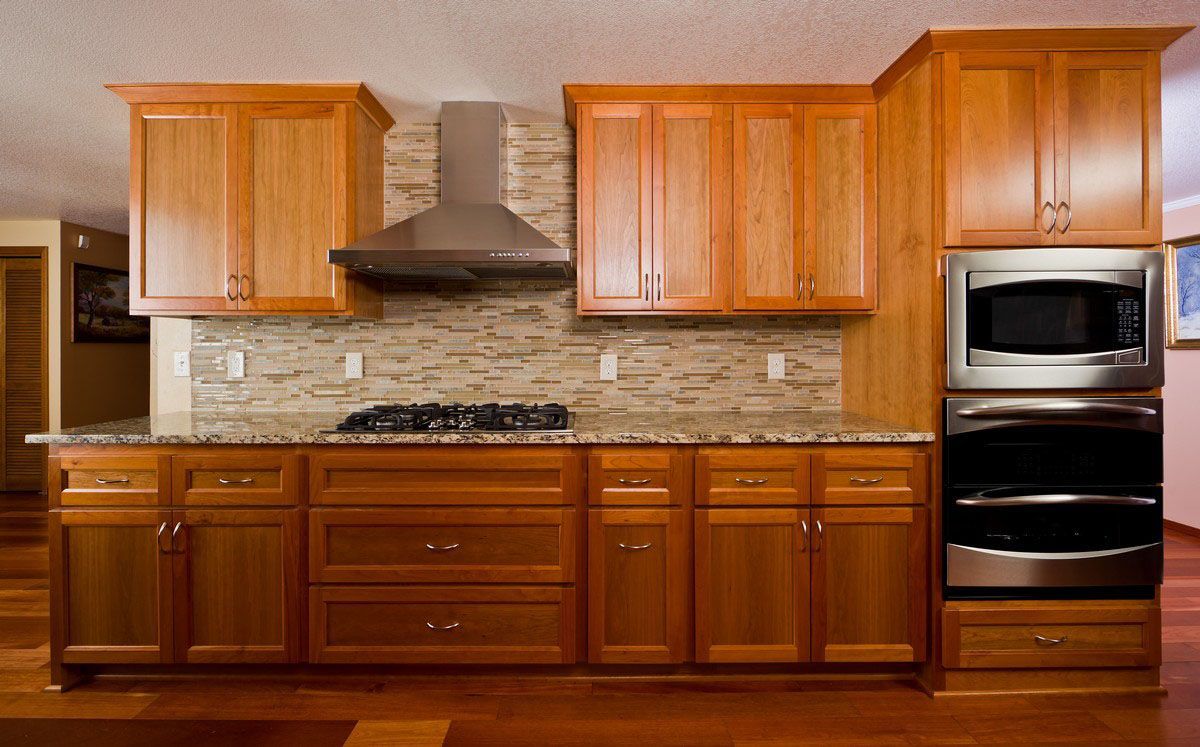
Countertops play an important role in how efficiently a space functions. When combined with well-planned cabinetry, they create work surfaces that support everyday activities such as food preparation and organization. The arrangement of cabinets and appliances often influences the final countertop layout.
6. Countertop Technology and Trends Continue to Evolve
Advance Design Planning
Modern countertop projects often begin with detailed planning to ensure surfaces fit correctly within a space. Accurate measurements and layout preparation help countertops align with cabinetry, sinks, and appliances. These steps are essential for achieving a cohesive installation.
Careful design planning also allows homeowners to visualize how surfaces will function within the room. This preparation supports better results for custom countertops in both kitchens and bathrooms.
Improve Fabrication Methods
Fabrication continues to improve the precision of countertop production. Advanced cutting and finishing techniques allow materials like granite, quartz, and marble to be shaped according to specific layouts. These processes help achieve accurate fits during installation.
Follow Interior Design Preferences
Interior design preferences continue to evolve, influencing how countertops are used within homes. Many homeowners prioritize open layouts and coordinated cabinetry when planning kitchen and bathroom updates. These preferences shape how surfaces are designed and installed.
Custom countertops remain an important element in achieving both visual cohesion and practical functionality. As design preferences shift, these surfaces continue to adapt to new styles and household needs.
From their rich history to evolving design trends, custom countertops continue to play an important role in shaping functional and visually appealing kitchens and bathrooms. Learning about materials, layout considerations, and design options can help homeowners approach renovations with greater confidence and clarity. Thoughtful combinations of countertops and cabinetry can elevate both the style and usability of a space. Homeowners interested in exploring these possibilities can learn more about design solutions and countertop options by connecting with Luxe Cabinetry & Design, where professional insight can help bring renovation ideas into focus.

Share On: